
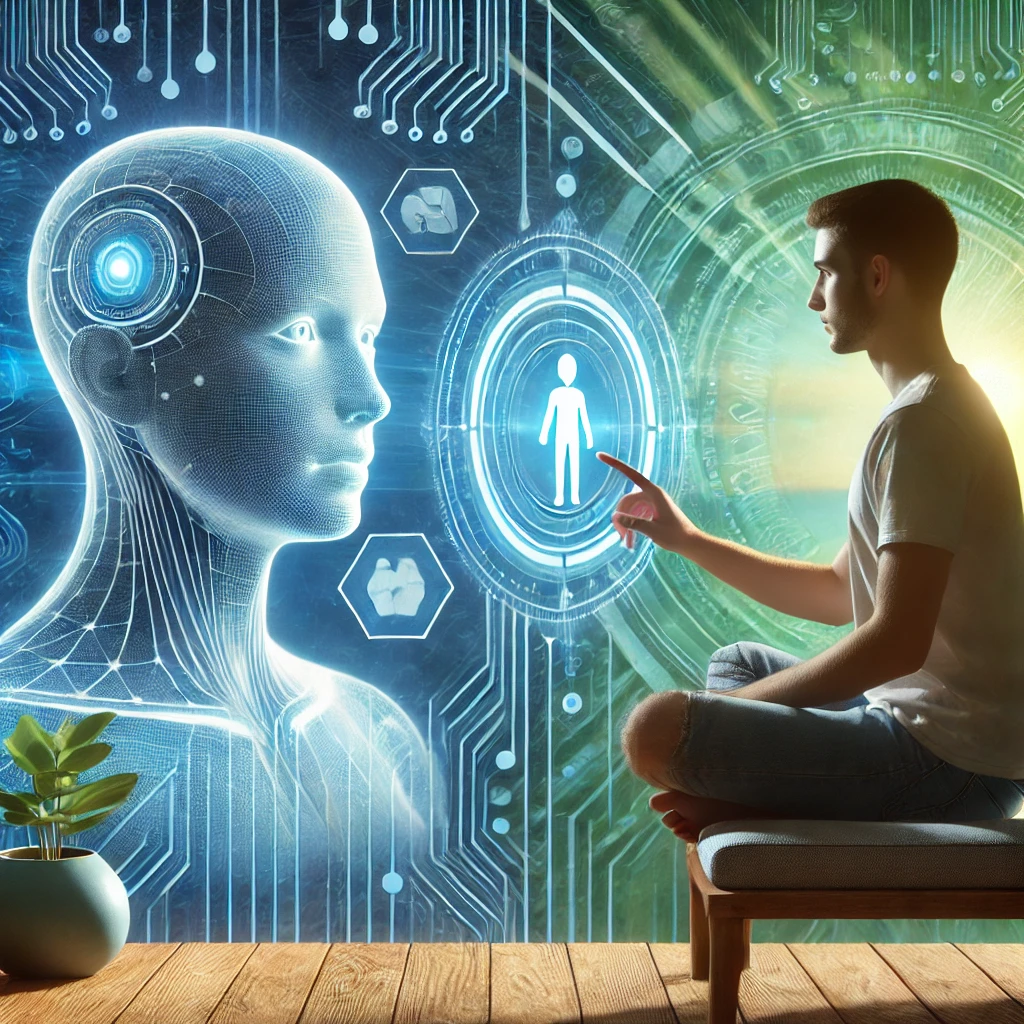
💡 Introduction: Can AI Improve Mental Health Care?
Mental health disorders affect over 1 billion people worldwide, yet access to professional support remains limited due to stigma, cost, and accessibility issues. Artificial intelligence (AI) is stepping in to bridge this gap, offering smart mental health solutions through chatbots, diagnostic tools, and personalized therapy recommendations.
But can AI truly replace human therapists, or should it only be a supportive tool? This blog explores how AI is transforming mental healthcare, the opportunities it presents, and the challenges we need to overcome.
🔹 1️⃣ AI-Powered Mental Health Tools: How They Work
AI in mental health primarily relies on machine learning, natural language processing (NLP), and emotional recognition to assess, diagnose, and support users.
🔍 Key Applications of AI in Mental Health
✅ Chatbots & Virtual Therapists – AI-driven chatbots like Woebot and Wysa provide on-demand emotional support and cognitive behavioral therapy (CBT).
✅ Early Diagnosis & Risk Assessment – AI scans social media posts, voice patterns, and text messages to detect early signs of depression and anxiety.
✅ Personalized Therapy Recommendations – AI analyzes patient history and behavior to recommend tailored therapy plans.
✅ AI-Powered Emotion Detection – Machine learning tools detect stress, anxiety, and mood fluctuations based on voice tone and facial expressions.
🔍 Example:
- Woebot, an AI chatbot therapist, engages users in mental health conversations, reducing symptoms of anxiety and depression.
- MIT’s AI-driven suicide prevention tool analyzes online behavior to identify individuals at risk.
🔹 2️⃣ Benefits of AI in Mental Health
🟢 How AI is Revolutionizing Mental Healthcare
✔ 24/7 Accessibility – AI mental health apps are available anytime, anywhere, making support accessible to those in need.
✔ Cost-Effective Therapy – AI-driven solutions reduce therapy costs, making mental health care more affordable.
✔ Stigma Reduction – Many people feel more comfortable talking to AI bots than seeking traditional therapy.
✔ Faster Diagnoses – AI can analyze mental health data in real-time, allowing for quicker interventions.
✔ Personalization – AI tailors mental health strategies based on user behavior, ensuring personalized care.
🔍 Example:
- Replika AI, an empathetic chatbot, provides companionship and emotional support for people experiencing loneliness and anxiety.
🔹 3️⃣ Ethical & Practical Challenges of AI in Mental Health
While AI presents immense potential, several challenges must be addressed:
🔴 Key Concerns
❌ Lack of Emotional Depth – AI chatbots lack true human empathy and intuition, which are crucial in mental health therapy.
❌ Privacy & Data Security – Sensitive mental health data could be misused if AI platforms are not secure.
❌ Bias in AI Diagnoses – AI algorithms may misinterpret emotions or exhibit biases based on training data.
❌ Regulatory Gaps – There are no universal regulations governing AI-driven mental health interventions.
🔍 Example:
- In 2021, an AI chatbot for mental health therapy was shut down after users reported it misdiagnosing conditions and giving inappropriate responses.
🔹 4️⃣ Will AI Replace Human Therapists?
AI cannot replace human psychologists and therapists. However, it serves as a powerful assistant in mental healthcare.
🔮 The Future of AI in Mental Health
✅ AI-Human Hybrid Therapy Models – AI will assist human therapists, offering data-driven insights for better treatment.
✅ Stronger Privacy Measures – AI-driven mental health platforms will require stricter data security regulations.
✅ AI-Powered Mental Health Wearables – Devices will monitor stress, anxiety, and emotional well-being in real-time.
✅ Improved AI Empathy Algorithms – AI will become more emotionally intelligent through deep learning advancements.
🔍 Example:
- Mindstrong, an AI-powered mental health platform, uses smartphone data to detect mood changes and offer early intervention strategies.
🎯 Final Thoughts: AI as a Support, Not a Replacement
AI is revolutionizing mental health support, but it must be seen as a complementary tool, not a replacement for human therapists. The key to ethical AI mental health solutions lies in transparency, data privacy, and AI-human collaboration.
💬 What’s your take on AI in mental health? Would you use an AI-driven therapist? Share your thoughts in the comments! 🧠
🧠 Take the Quiz: How Well Do You Understand AI in Mental Health?
📌 Test your knowledge on AI’s role in mental healthcare!
[Start Quiz Now]