
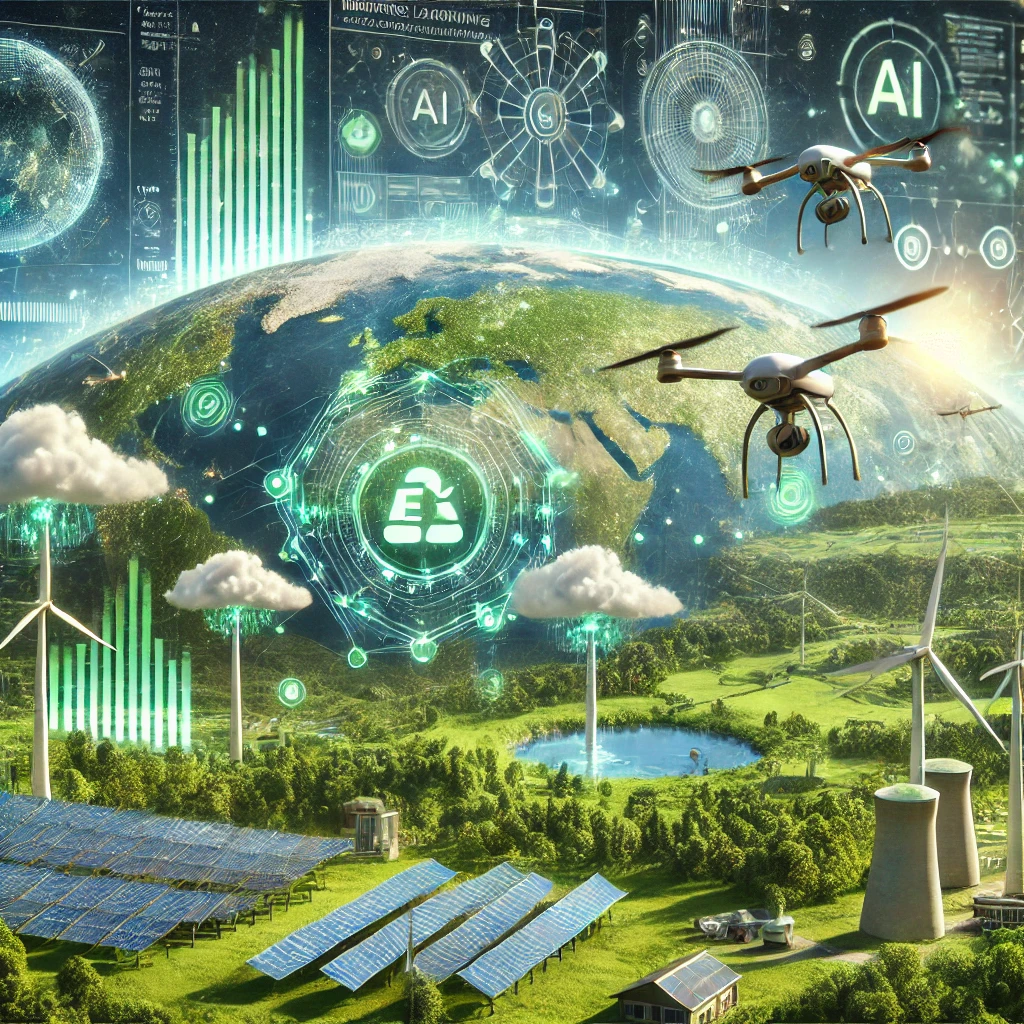
🌱 Introduction: AI as a Guardian of the Planet
Climate change, deforestation, and pollution threaten Earth’s ecosystems, but artificial intelligence (AI) is emerging as a powerful tool for environmental conservation. From tracking endangered species to predicting extreme weather events, AI and machine learning (ML) are being used to analyze environmental data, optimize conservation efforts, and reduce human impact on nature.
In this blog, we explore how AI is reshaping sustainability, driving climate solutions, and safeguarding biodiversity.
🌍 1️⃣ AI for Climate Change: Predicting & Preventing Disasters
One of the biggest threats to our planet is climate change, causing rising sea levels, extreme weather, and biodiversity loss. AI-powered models are now being used to predict, mitigate, and adapt to these changes.
🔹 How AI Helps Combat Climate Change
✅ Weather Forecasting & Disaster Prediction – AI algorithms process massive climate datasets to predict hurricanes, floods, and wildfires before they happen.
✅ Carbon Footprint Reduction – AI analyzes industrial emissions and suggests solutions for minimizing carbon footprints.
✅ Climate Modeling – Machine learning models simulate future climate conditions and help policymakers make informed environmental decisions.
🔍 Example:
- Google’s AI-powered flood forecasting system provides early warnings in disaster-prone areas, helping save lives.
- IBM’s AI-powered climate models predict extreme weather events with greater accuracy than traditional methods.
🌿 2️⃣ AI for Wildlife & Biodiversity Conservation
AI is transforming wildlife protection by enabling researchers to track endangered species and combat poaching and illegal logging.
🔹 AI Applications in Wildlife Conservation
✅ AI-powered Camera Traps – Smart cameras use facial recognition to identify individual animals and track their behavior.
✅ Acoustic Monitoring – AI listens for illegal logging and poaching gunshots in forests.
✅ Satellite & Drone Surveillance – AI-powered drones monitor rainforests and track changes in ecosystems.
🔍 Example:
- The PAWS AI system helps predict poaching hotspots and assists law enforcement in protecting wildlife.
- AI-driven image recognition tools help track elephant and rhino populations in Africa.
♻️ 3️⃣ AI in Waste Management & Pollution Control
Pollution is a growing global issue, but AI-driven solutions are helping combat plastic waste, air pollution, and water contamination.
🔹 AI’s Role in Pollution Control
✅ AI-powered Waste Sorting – Smart robots automatically separate recyclable materials from waste.
✅ Air Pollution Monitoring – AI-driven sensors detect real-time air quality levels and predict pollution spikes.
✅ Water Quality Analysis – AI detects toxic contaminants in water bodies and suggests cleanup strategies.
🔍 Example:
- The Ocean Cleanup Project uses AI-powered autonomous drones to remove plastic waste from the ocean.
- Google’s AI-based air pollution mapping project provides real-time air quality data for urban planning.
🌞 4️⃣ AI & Renewable Energy: Optimizing Sustainable Power
AI is helping optimize renewable energy sources like solar, wind, and hydroelectric power, making them more efficient and scalable.
🔹 AI’s Impact on Renewable Energy
✅ Solar Energy Optimization – AI predicts sunlight availability and automates panel adjustments for maximum energy capture.
✅ Smart Wind Farms – AI analyzes wind patterns to optimize turbine efficiency and reduce energy waste.
✅ Energy Grid Management – AI-powered smart grids balance energy supply and demand, preventing blackouts.
🔍 Example:
- DeepMind (Google) uses AI to increase wind energy efficiency by predicting wind patterns in real-time.
- AI is being used to develop self-repairing solar panels that improve efficiency and longevity.
🧠 5️⃣ The Future of AI in Environmental Conservation
As AI technology continues to evolve, its role in sustainability will only grow. Here’s what we can expect in the near future:
🔮 What’s Next?
✅ AI-powered Smart Cities – AI-driven traffic management and energy optimization to reduce urban emissions.
✅ More Advanced Conservation Drones – AI drones will monitor global forests, oceans, and wildlife in real-time.
✅ Precision Agriculture – AI will enhance food security by optimizing irrigation, fertilization, and crop monitoring.
✅ AI-Driven Carbon Capture – New AI models will help industries efficiently capture and reduce carbon emissions.
The future of environmental conservation depends on how we integrate AI responsibly into sustainability efforts.
🎯 Final Thoughts: Can AI Really Save the Planet?
AI isn’t a replacement for human conservation efforts, but it is a powerful tool in the fight against climate change, pollution, and biodiversity loss. By leveraging AI responsibly, we can:
✔ Improve climate resilience
✔ Reduce carbon footprints
✔ Protect endangered species
✔ Optimize renewable energy production
💬 Do you believe AI is the key to solving climate change? What’s your take on AI’s role in conservation? Share your thoughts in the comments! 🌍
🧠 Take the Quiz: How Much Do You Know About AI in Environmental Conservation?
📌 Test your knowledge and see how AI is shaping the future of sustainability!
[Start Quiz Now]