

Introduction
Artificial Intelligence (AI) is more powerful than ever in 2025, but with its rapid growth comes critical ethical concerns. Bias in AI algorithms, privacy violations, and accountability issues remain major challenges. As AI becomes deeply integrated into society, businesses and policymakers must navigate the fine line between innovation and ethical responsibility. In this post, we explore the top ethical concerns in AI and how they can be addressed.
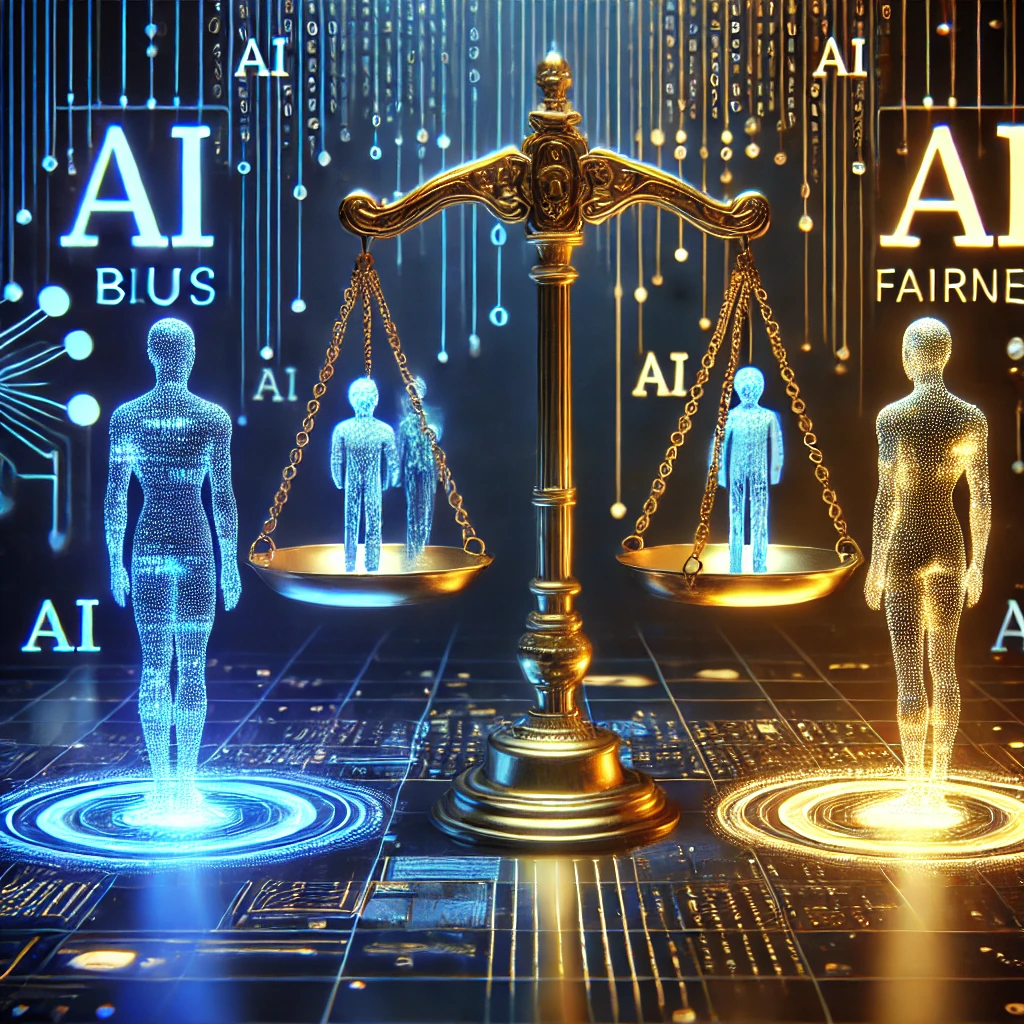
1️⃣ AI Bias and Fairness
1. The Problem of Bias in AI
🔹 Issue: AI models often reflect biases from training data
🔹 Example: Facial recognition systems misidentifying people from underrepresented groups
🔹 Impact: Discrimination in hiring, policing, and credit approvals
2. How to Reduce AI Bias
🔹 Solution: More diverse datasets and fairness-aware machine learning
🔹 Example: AI audits to detect and correct biased algorithms
🔹 Impact: More equitable AI applications in all industries

2️⃣ AI and Data Privacy
3. Privacy Concerns in AI
🔹 Issue: AI collects massive amounts of personal data
🔹 Example: AI-powered recommendation systems tracking user behavior
🔹 Impact: Loss of anonymity, increased surveillance risks
4. Ensuring AI Respects Privacy
🔹 Solution: Stricter data protection laws, encryption, and anonymization
🔹 Example: AI models trained with federated learning to enhance privacy
🔹 Impact: Greater user trust in AI-powered applications
3️⃣ Accountability and Transparency in AI
5. The Black Box Problem in AI
🔹 Issue: Many AI decisions lack transparency
🔹 Example: AI rejecting loan applications without explaining why
🔹 Impact: Lack of trust and potential legal issues
6. Making AI More Accountable
🔹 Solution: Explainable AI (XAI) that provides reasoning behind decisions
🔹 Example: AI in healthcare providing explanations for diagnoses
🔹 Impact: Increased trust and adoption of AI in critical industries
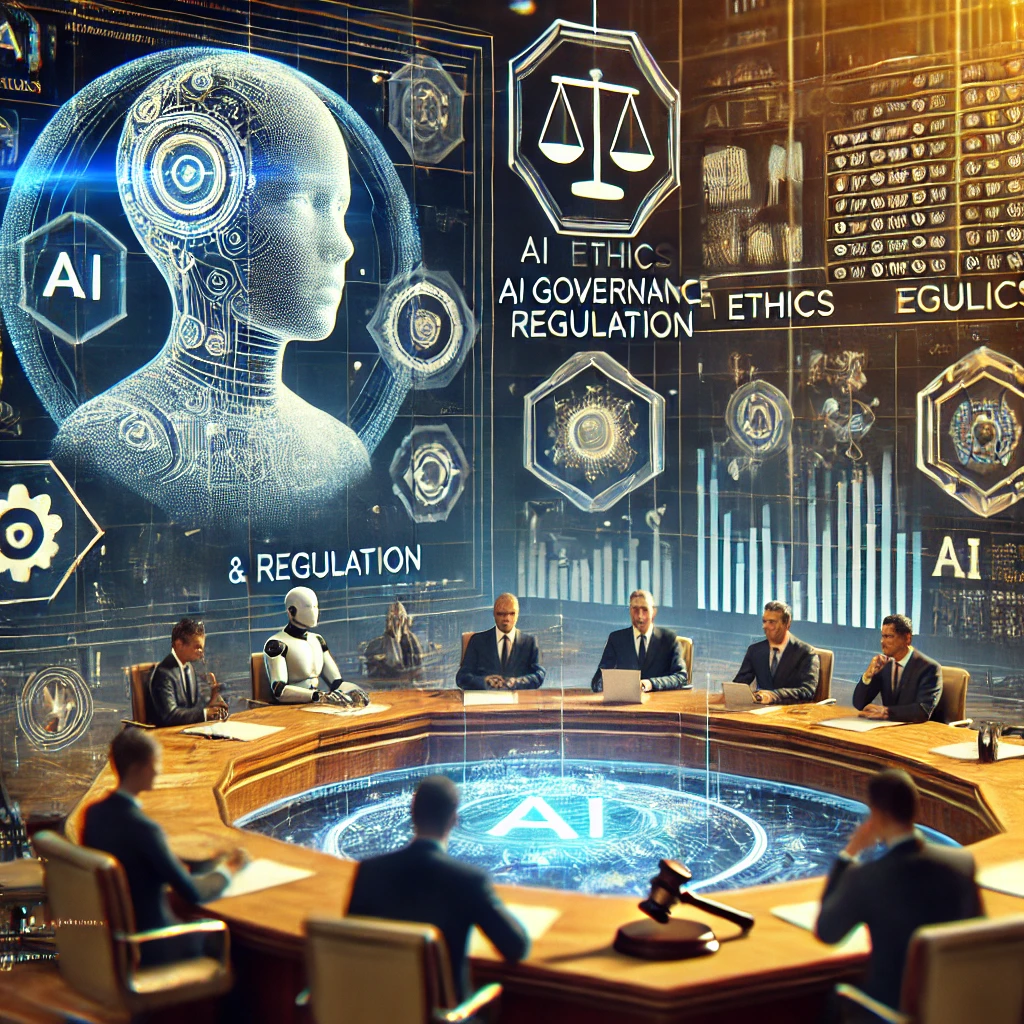
4️⃣ Ethical AI in Governance and Regulation
7. The Role of Governments in AI Ethics
🔹 Issue: Lack of universal AI regulations
🔹 Example: Some countries have strict AI laws, while others have none
🔹 Impact: Inconsistent AI governance across industries
8. Global Efforts for AI Ethics
🔹 Solution: International AI ethical frameworks
🔹 Example: AI ethics guidelines from the EU, UNESCO, and IEEE
🔹 Impact: More responsible AI development worldwide
Final Thoughts
AI is revolutionizing every sector, but ethical concerns like bias, privacy, and accountability must be addressed to ensure fairness and trust. Stronger regulations, transparent AI, and responsible AI development will define the future of ethical AI in 2025.
💡 What do you think? Should AI be more regulated, or does regulation slow down innovation? Let us know in the comments! 🚀
Pingback: The Evolution of AI Ethics: Navigating Moral Dilemmas in Machine Learning - AI Review Hub