
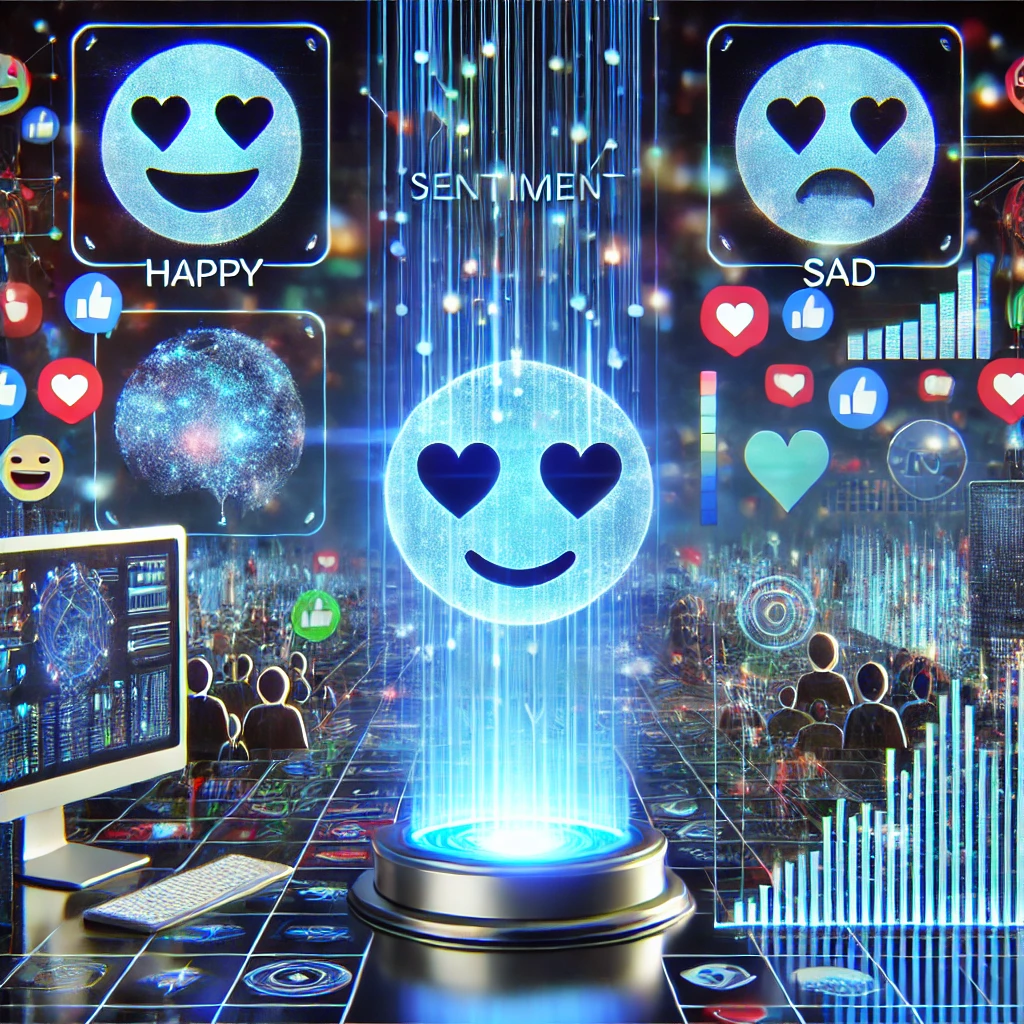
😊 Introduction: The Power of AI in Understanding Sentiments
Artificial Intelligence (AI) is no longer just about data processing and automation—it’s evolving to understand human emotions, opinions, and feelings. One of the most powerful AI applications in this area is sentiment analysis, a technique used to analyze text, speech, and social media content to determine whether the sentiment behind it is positive, negative, or neutral.
From customer reviews and social media trends to political sentiment and stock market predictions, sentiment analysis is shaping the way businesses and organizations interpret public opinion. But how does it work? What industries benefit the most? And what are its challenges? Let’s dive into the world of AI-driven sentiment analysis. 🚀
1️⃣ What is Sentiment Analysis?
Sentiment analysis, also known as opinion mining, is an AI-powered process that identifies emotions and attitudes in written or spoken language.
🛠️ How Sentiment Analysis Works
✔ Natural Language Processing (NLP): AI breaks down text into meaningful parts to understand context.
✔ Machine Learning Algorithms: AI models classify sentiments based on patterns in large datasets.
✔ Lexicon-Based Analysis: AI uses predefined word databases to detect emotions in text.
✔ Deep Learning Models: Advanced AI models analyze tone, context, and sentiment intensity.
✔ Real-Time Sentiment Tracking: AI monitors social media, reviews, and customer feedback instantly.
📌 Example: AI-powered sentiment analysis tools can scan thousands of tweets about a product launch and determine if the public response is positive or negative.
2️⃣ Applications of Sentiment Analysis in Various Industries
🛒 Business & Customer Experience
- AI analyzes customer reviews, feedback, and surveys to gauge satisfaction.
- Sentiment analysis helps companies improve products and services based on user opinions.
📊 Finance & Stock Market Predictions
- AI tracks investor sentiment on news articles and financial reports.
- AI-based sentiment analysis influences trading strategies and stock market trends.
🗳️ Politics & Social Opinion Monitoring
- AI monitors public opinion on political candidates and policies.
- Governments and research organizations use AI to study voter sentiment before elections.
📱 Social Media & Brand Reputation
- AI scans social media posts, comments, and hashtags to track brand sentiment.
- Companies identify trending topics and public perception shifts in real time.
📌 Example: AI sentiment analysis tools helped brands like Nike and Apple track social media responses to major product releases and marketing campaigns.
3️⃣ Challenges and Limitations of Sentiment Analysis
⚠️ Detecting Sarcasm & Contextual Meaning
🔴 AI struggles with sarcasm, humor, and complex language nuances.
🔴 Words like “great” can be positive or negative depending on context.
🛠️ Language & Cultural Biases
🔴 AI models trained on limited datasets may not accurately interpret regional dialects or cultural expressions.
🔴 Some words may have different meanings across cultures, affecting sentiment accuracy.
📡 Data Privacy Concerns
🔴 AI-powered sentiment tracking raises ethical concerns about data collection.
🔴 Companies must ensure transparency and user consent when analyzing sentiment data.
📌 Example: AI sentiment models trained on English-language datasets may misinterpret emotions in non-English texts, leading to biased conclusions.
4️⃣ The Future of AI in Sentiment Analysis
🔮 Key Predictions for 2025 & Beyond
✅ More Accurate Sentiment Detection using multimodal AI (text, voice, facial expressions).
✅ AI-powered Emotional Intelligence for chatbots and virtual assistants.
✅ Real-Time Sentiment-Based Marketing Strategies for brands.
✅ Ethical AI Regulations & Data Protection to prevent misuse of sentiment analysis.
✅ AI-Powered Social Listening for detecting crisis trends before they escalate.
🎯 Final Thoughts: Can AI Truly Understand Human Emotions?
Sentiment analysis is transforming business, politics, and customer experience, helping companies and governments make data-driven decisions based on public opinion. However, AI still faces challenges in understanding emotions as deeply as humans do.
🚀 Do you trust AI to analyze emotions accurately? How will sentiment analysis evolve in the future? Let’s discuss in the comments!