
Introduction
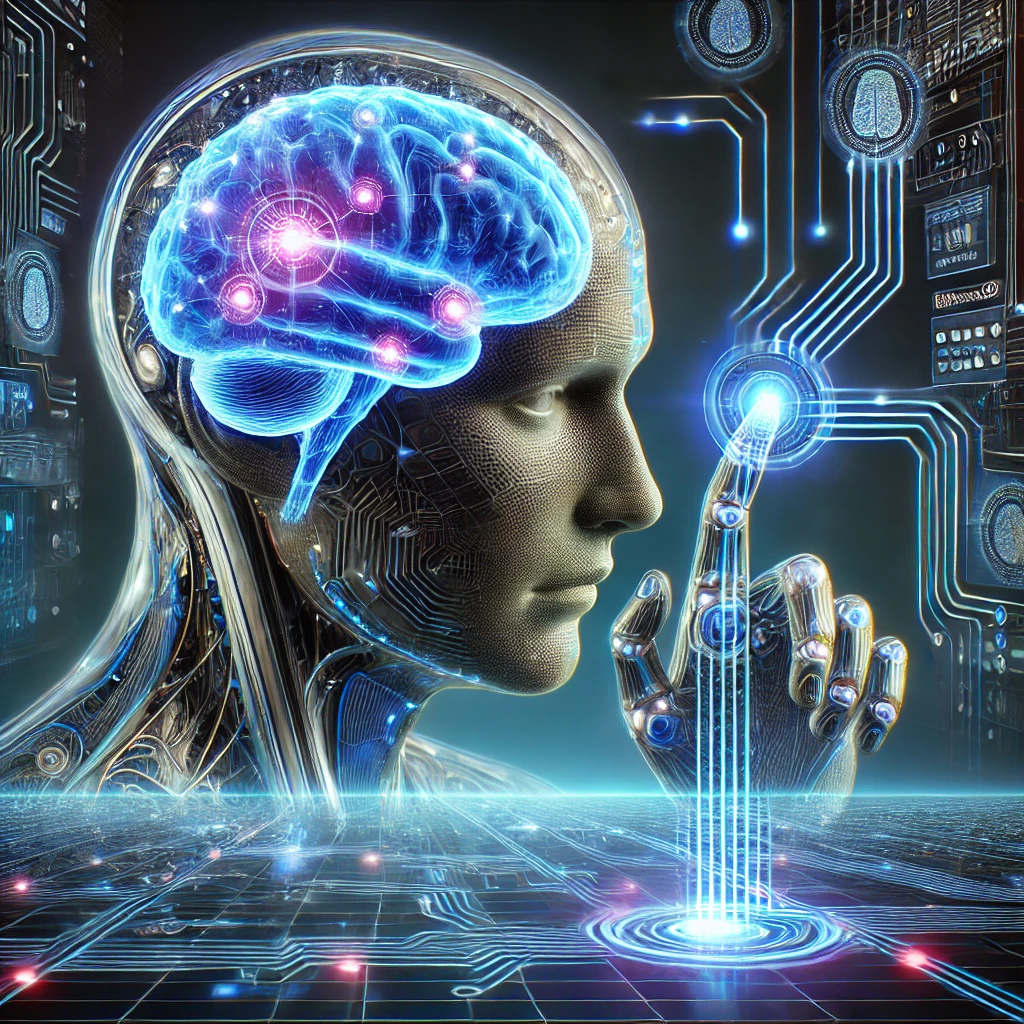
Brain-Computer Interfaces (BCIs) are revolutionizing how humans interact with machines, bridging the gap between thought and technology. In 2025, BCIs are advancing rapidly, enabling applications in healthcare, communication, gaming, and beyond. This blog explores the latest breakthroughs in BCIs, their real-world applications, and the challenges ahead.
1️⃣ How BCIs Work: The Science Behind the Technology
1. Understanding Brain Signals
🔹 What’s New? BCIs are improving in reading and interpreting neural activity
🔹 How It Works: Electrodes detect brain signals, which AI decodes into digital commands
🔹 Impact: Enables hands-free control of devices, from wheelchairs to computers
2. Invasive vs. Non-Invasive BCIs
🔹 What’s New? Non-invasive BCIs are becoming more accurate
🔹 How It Works: Electroencephalography (EEG) and other sensors pick up brain activity
🔹 Impact: Expands access to brain-controlled devices without surgery
2️⃣ BCIs in Healthcare and Accessibility
3. Restoring Mobility for Paralysis Patients
🔹 What’s New? BCIs help people with paralysis regain control of movement
🔹 How It Works: AI translates brain activity into robotic limb movement
🔹 Impact: Restores independence for individuals with motor impairments
4. AI-Powered Speech Communication for Non-Verbal Individuals
🔹 What’s New? BCIs allow people with speech disabilities to communicate via thought
🔹 How It Works: Brain signals are converted into text or speech in real-time
🔹 Impact: Unlocks communication for individuals with ALS, stroke, or severe disabilities
3️⃣ BCIs in Gaming, Work, and Daily Life
5. Brain-Controlled Gaming and Virtual Reality
🔹 What’s New? BCIs let players control games using their minds
🔹 How It Works: Neural commands replace traditional controllers for a fully immersive experience
🔹 Impact: A new era of hands-free, thought-driven gaming and VR interaction
6. Mind-Controlled Smart Homes and Wearables
🔹 What’s New? BCIs integrate with IoT devices for thought-driven automation
🔹 How It Works: Users control smart home functions (lights, appliances) via brain activity
🔹 Impact: Increases accessibility and convenience in daily life
4️⃣ Challenges and Ethical Concerns of BCIs
7. Privacy and Security Risks
🔹 What’s New? BCIs can collect sensitive brain data
🔹 How It Works: Neural data could be stored, analyzed, or misused
🔹 Impact: Raises ethical concerns about mind privacy and data protection
8. The Future of Human-AI Integration
🔹 What’s Next? Ethical policies for responsible BCI development
🔹 How It Works: Governments and researchers are establishing guidelines for safe adoption
🔹 Impact: Ensures BCIs benefit humanity without compromising autonomy
Final Thoughts
By 2025, Brain-Computer Interfaces are unlocking new possibilities, from restoring mobility to enhancing human-AI collaboration. As BCIs evolve, the balance between technological advancement and ethical considerations will shape the future of human-machine interaction.
💡 What excites you most about BCIs? Share your thoughts in the comments! 🚀